
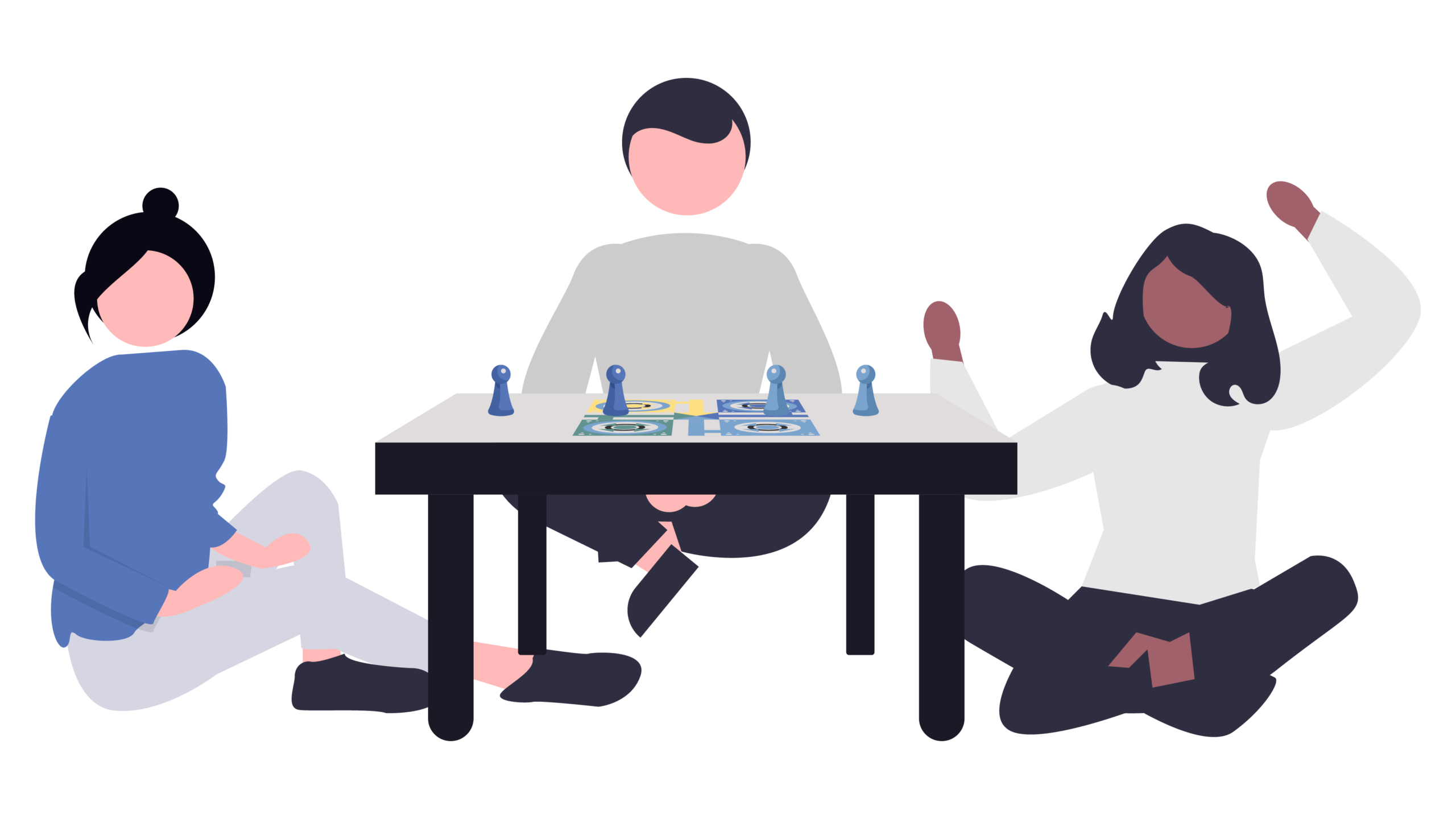
In a world optimised for scrolling, swiping, and streaming, millions of people are choosing to sit around a table and roll dice instead. And business is booming.
If you haven’t looked at a board game shelf since Monopoly ruined a family holiday, you’ve missed quite a lot. The tabletop gaming industry has quietly undergone one of the most remarkable growth stories in entertainment. The global market hit $17.7 billion in 2025 and is growing at nearly 9% year on year. To put that in perspective, that’s a bigger annual growth rate than the global music industry.
This isn’t a pandemic blip. The numbers have kept climbing well past lockdown, driven by a combination of creative game design, passionate communities, and a growing appetite for entertainment that doesn’t involve a screen.
The kidult revolution
One of the strongest drivers of growth is a demographic the industry calls ‘kidults’: adults aged roughly 18 to 65 who are playing board games with genuine enthusiasm. These aren’t people reluctantly joining their kids for a round of Snakes and Ladders. They’re buying complex strategy games, backing crowdfunding campaigns for indie titles, and spending their Friday nights at dedicated board game cafes.
The numbers support this. According to Quantumrun Foresight’s 2025 analysis, players aged 12 to 25 represent the largest single group at 38% of the player base, but the 26-to-40 bracket is right behind at 31%. And over half of Americans surveyed, about 50.6%, say that board games help them socialise. In an era where loneliness is being called a public health crisis, that social function is significant.
American households that play board games spend an average of about $179 per year on them, and that spend has been climbing 5-7% year on year. People aren’t just buying more games. They’re buying better, more premium ones.
Crowdfunding changed everything
If you want to understand why board games have become so creative and diverse, look at Kickstarter. In 2024 alone, over 3,200 board game projects successfully funded on the platform, raising a combined $185 million. Gamefound, a newer crowdfunding platform focused specifically on tabletop games, added another $62.7 million from over 1,000 campaigns.
This matters because crowdfunding lets designers take creative risks that traditional publishers might shy away from. A game about running a bird sanctuary (Wingspan, which has sold over 2 million copies) probably wouldn’t have made it past a traditional pitch meeting. But when you can take your concept directly to the people who’d actually play it, the market rewards originality.
The result is an explosion of variety. Strategy games, cooperative adventures, narrative-driven mysteries, party games, legacy games that permanently change as you play them, and hybrid titles that blend physical boards with companion apps. Whatever you’re into, there’s a game designed for exactly your kind of fun.
Cooperation is the new competition
One of the most interesting shifts in game design is the surge in cooperative games, where players work together against the game itself rather than against each other. Cooperative titles sold 20 million more units in 2024 compared to the previous year. Games like Pandemic, Spirit Island, and Gloomhaven have proven that collaboration can be just as engaging as competition.
This trend resonates for a reason. After a long day of work, a lot of people don’t want to spend their leisure time trying to crush their friends. They want to solve a problem together, share the tension of a close call, and celebrate a collective win. It’s the same impulse that makes escape rooms popular, just packaged for your dining table.
The community is the product
Board games have always been social, but the community around them has grown into something much larger than game night. Board game cafes are popping up in cities worldwide, offering a curated library of hundreds of games for the price of a coffee. Gaming expos and conventions draw thousands of attendees. Online communities on Reddit, BoardGameGeek, and Discord connect players across continents.
Games Haven, a UK-based board game community hub, put it well in their 2025 industry overview: people aren’t just buying products. They’re buying the experience of connection. The game is the excuse. The real draw is sitting across from someone, making eye contact, laughing at a terrible dice roll, and being fully present in a way that scrolling through your phone never quite delivers.
Start here
If you’re curious but haven’t played anything beyond the classics, here are a few modern games that are easy to learn and consistently recommended for newcomers: Ticket to Ride (a route-building game that takes about 30 minutes), Catan (the strategy game that launched a thousand game nights), Codenames (a word-guessing party game that’s brilliant with groups), and Wingspan (that bird sanctuary game, and yes, it’s as charming as it sounds).
Setting up a proper game night? Make sure your Wi-Fi can handle the group, your smart speaker has a good playlist queued up, and your smart lights are dimmed for atmosphere. Dial a Nerd can sort out the tech side so you can focus on what matters: winning. Or, you know, cooperating. Whichever kind of person you are.