There was a time when admitting you played Dungeons & Dragons or collected comic books was social currency of the wrong kind. That time is very much over.
Somewhere in the last decade, nerd culture stopped being a subculture and became the culture. The highest-grossing films are based on comic books. The most-watched TV shows are fantasy epics and sci-fi thrillers. Gaming is a bigger entertainment industry than movies and music combined. And the people who were once shoved into lockers for their interests are now the ones setting trends.
This isn’t just a vibe shift. The retro gaming market alone is worth $4.18 billion in 2026. The global tabletop games market hit $17.7 billion in 2025. Anime figurines consistently generate the highest search interest of any nerd culture product worldwide, according to Accio’s 2025 trends analysis. These aren’t niche hobbies. They’re mainstream economic forces.
So how did we get here?
Streaming turned niche into blockbuster
The single biggest accelerant was streaming. Before Netflix, Amazon, and Disney+ started competing for subscribers, niche intellectual properties were considered too risky for mainstream entertainment. A fantasy novel series with a complex magic system? Too niche. An anime adaptation for Western audiences? Too risky.
Streaming changed the economics. These platforms don’t need every show to be a hit with everyone. They need enough shows to be a hit with someone. That model gave greenlight power to properties traditional studios would have passed on. And it turned out that the audiences for these ‘niche’ stories were enormous. They were just scattered across the world, waiting for someone to actually make the thing they wanted to watch.
The result: fantasy, sci-fi, horror, and anime went from niche genres to the categories that drive the most subscriber engagement. Every successful adaptation sent people back to the source material, whether a book series, a game, or a manga.
Gaming stopped being a hobby and became an identity
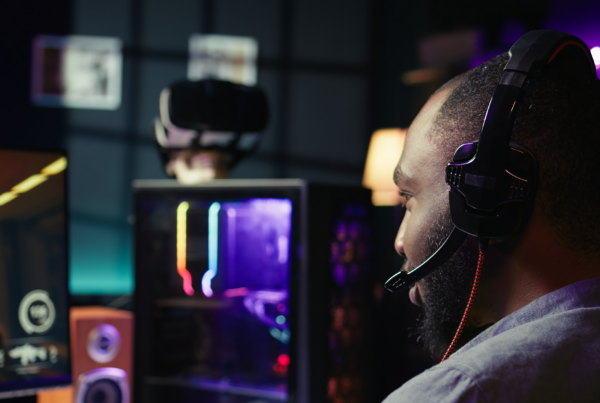
Gaming’s transformation has been the most dramatic. The stereotype of the solitary gamer in a dark bedroom has been replaced by a reality where gaming is one of the most social, visible, and culturally influential activities on the planet.
Platforms like Twitch, YouTube, and TikTok made gaming into a spectator sport. Speedrunners, lore analysts, and challenge creators built audiences in the millions. Retro gaming content, restoration projects, and ‘let’s play’ series regularly go viral, turning classic titles into cultural moments for audiences who weren’t alive when those games came out.
Geektown’s 2026 analysis noted that this social dimension has been critical: gaming expos grow every year, tournaments using classic hardware attract dedicated communities, and the culture has shifted from isolated pastime to shared experience.
The collector market followed. Original cartridges, limited-edition hardware, and retro-inspired accessories from companies like 8BitDo have turned gaming memorabilia into both a hobby and an investment.
Conventions went from weird to essential
Comic-Con used to be a gathering of a few thousand enthusiasts. Now it’s a multi-billion-dollar promotional circuit where studios debut trailers, publishers announce product lines, and brands compete for attention.
But the more interesting story is at the smaller scale. Local gaming expos, board game meetups, and anime screenings are building genuine communities in cities and towns that never had them. Board game cafes are opening in neighbourhoods worldwide, offering curated libraries and social spaces that feel more like a community centre than a shop.
Games Haven captured this well in their 2025 industry review: creating welcoming, community-centred spaces is just as important as the products on the shelves. People aren’t buying games. They’re buying connection.
That’s the thread running through all of this. Nerd culture isn’t popular because it’s trendy. It’s popular because it gives people something to belong to. A shared language. A community that cares deeply about the same things you do.
From stigma to social currency
The shift from ‘nerdy’ as an insult to ‘nerdy’ as an aspiration happened gradually, then all at once. The internet gave scattered communities a way to find each other. Social media gave them visibility. The entertainment industry gave them validation by investing billions in their stories.
But perhaps the simplest explanation is that people got tired of pretending they weren’t interested in interesting things. Being passionate about something specific stopped being something to hide and started being something to share.
And that’s a good thing. For everyone.
This is our whole brand
Dial a Nerd didn’t pick its name by accident. We’re the people who get excited about the same things you do and happen to know how to make the tech work. Whether you need help setting up a gaming rig, sorting out your streaming setup, or just want to talk to someone who understands why your SNES collection matters, we’re your people.
Proud nerd? So are we. That’s literally our brand.